
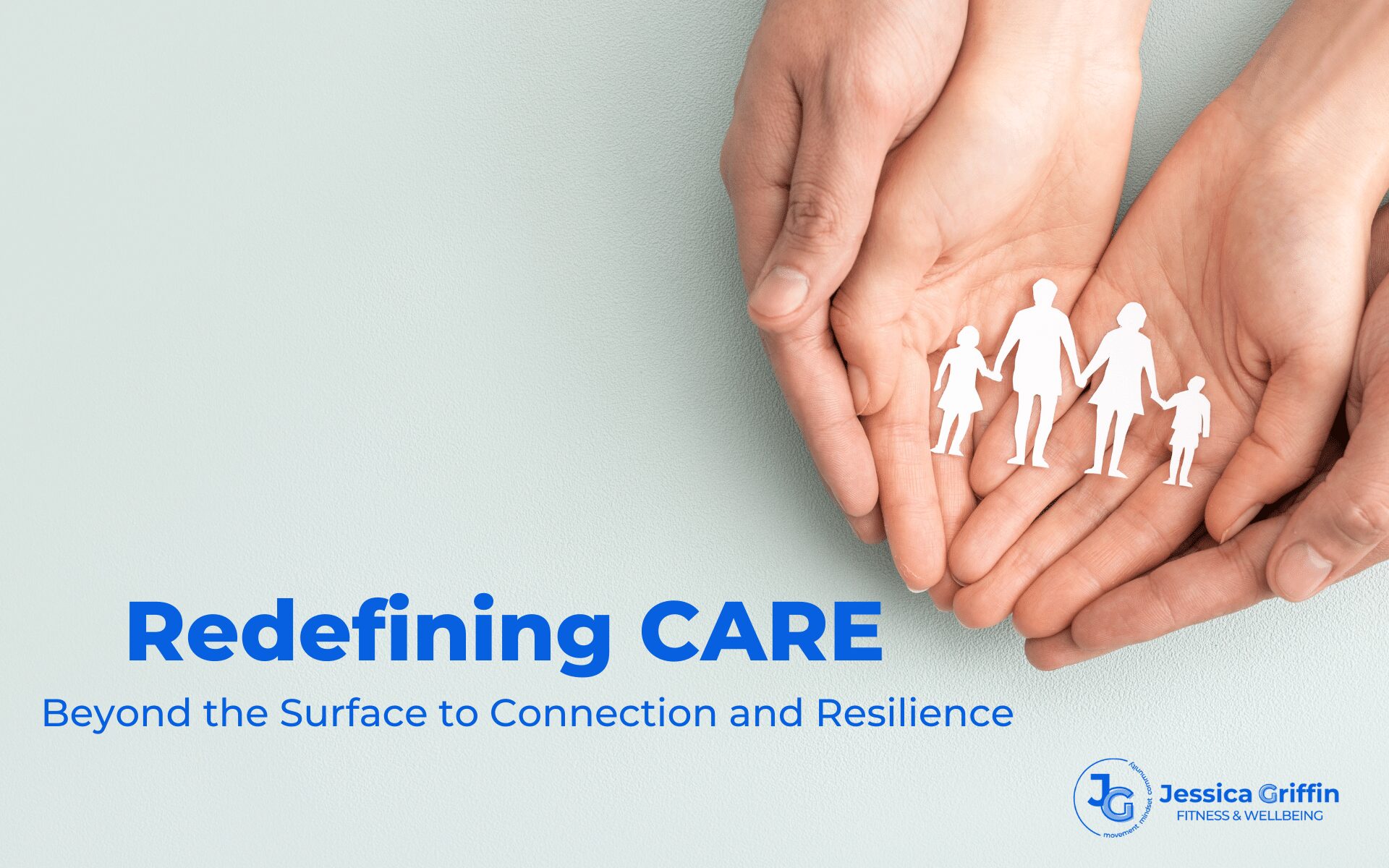
How many times have you been told, “Make sure to take care of yourself” or encouraged to “make some time for self-care”?
While these suggestions are well-intentioned, they often only skim the surface of what true care entails. Our culture’s current take on self-care tends to be superficial, focusing on immediate wants rather than deep-seated needs. “Let’s grab a drink after work!” or “You deserve that spa day!” are common refrains that, while enjoyable, act as mere quick fixes that fail to address the root causes of our stress and fatigue.
In our fast-paced world, the twin challenges of burnout and isolation have become all too common. Despite being more connected than ever through technology, a paradoxical sense of loneliness persists, making us crave meaningful connections. The constant state of exhaustion we find ourselves in doesn’t just sap our productivity and creativity; it takes a toll on our emotional and mental health as well.
True self-care is far from a mere luxury or indulgence. It’s an essential component of thriving in both our personal and professional lives. By making intentional choices to attend to our physical, emotional, and mental well-being, we can find refuge from burnout. Practices like mindfulness, movement, and reflective exercises aren’t just activities; they’re tools that help us recharge, find balance, and discover joy in the everyday.
However, self-care alone is not enough. The concept of community care plays a crucial role in alleviating the loneliness that so many of us feel. Community care involves building a supportive network where individuals can share experiences and offer mutual support. It’s a reminder that we’re not alone in our struggles and that there’s profound strength in collective empathy and action.
But here’s where we need to redefine care: self-care and community care are deeply intertwined. One cannot truly flourish without the other. Together, they create a sustainable ecosystem of well-being that fosters personal growth and community resilience. This synergistic approach allows us to meet our needs with authenticity and practice the resilience needed for empowered change.
Courageously connecting to our needs and addressing them authentically can seem overwhelming, and here lies a critical truth: we were never meant to tackle these challenges alone. The fallacy of solitary self-improvement needs to be confronted head-on. Community care acts as the lifeline we reach for when we’re struggling to breathe, allowing us to fill our lungs and breathe life back into those around us.
By sharing the journey of self and community care, we inhale and exhale together, fostering a compassionate culture that benefits us all. There is no self-care without community care, and by embracing this holistic view, we can redefine what it means to truly take care of ourselves and each other.
Join the Conversation!
As we navigate the journey of redefining care together, embracing both self-care and community care, we unlock the potential for a more fulfilled, connected life. But this conversation is just beginning.
What are your experiences with balancing self-care and community care?
How do you see these practices impacting your life and the community around you?
Share your thoughts and stories in the comments below; let’s continue to learn from and support each other in this collective journey of well-being.